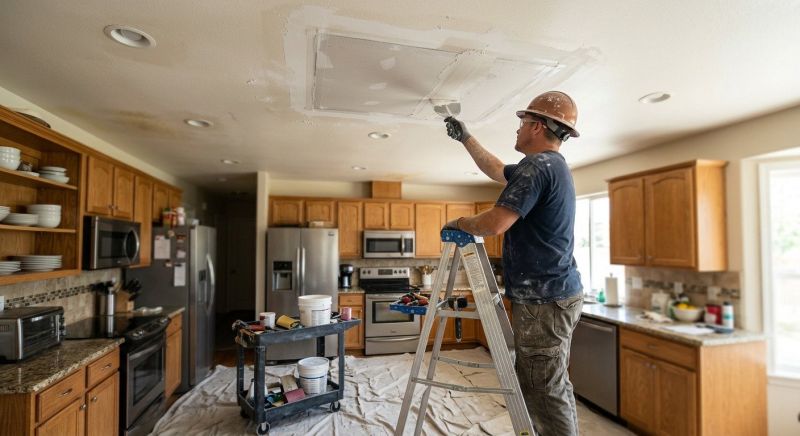
Ceiling Water Damage Repair in Alpharetta, GA
Ceiling water damage repair services address issues caused by leaks, plumbing failures, or roof problems that result in water intrusion into ceiling structures. These projects typically involve identifying the source of the water, removing damaged drywall or plaster, and restoring the ceiling to its original condition. Property owners often seek this service after noticing stains, sagging, or mold growth on their ceilings, aiming to prevent further damage and ensure the safety of their living or working spaces.
Before requesting ceiling water damage repair, homeowners should consider the extent of the damage and whether there are ongoing leaks or moisture issues that need resolution. It’s important to understand what materials may need replacement and if any structural concerns exist. Proper assessment helps determine the scope of work required to restore the ceiling effectively and prevent future problems related to water intrusion.
Many property owners in Alpharetta, GA look into Ceiling Water Damage Repair for repairs, replacements, upgrades, and appearance-related improvements.
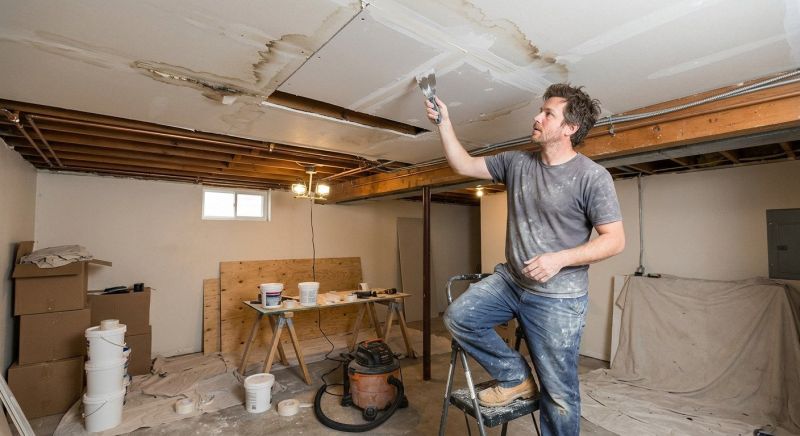
Signs Of Ceiling Water Damage
Visible stains, sagging, or peeling paint indicate potential ceiling water issues.
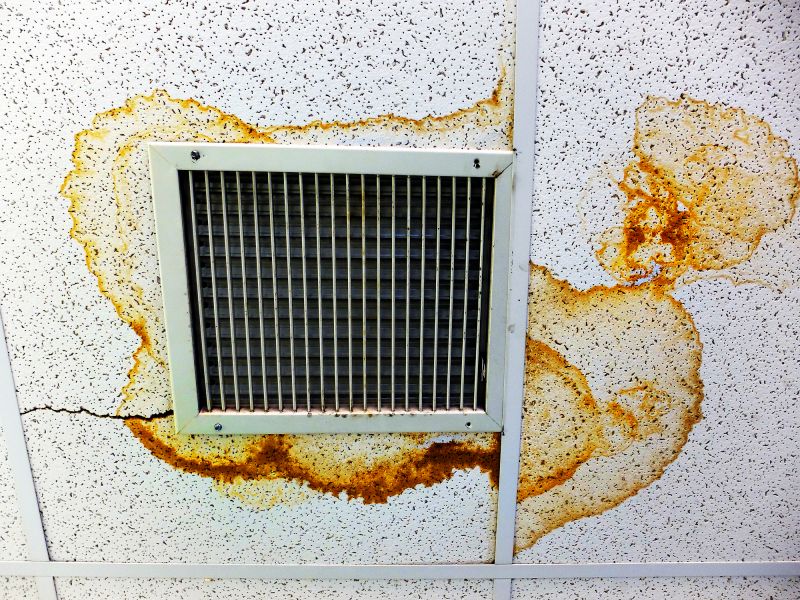
Common Causes Of Water Damage
Leaking pipes, roof leaks, and hvac issues are frequent sources of ceiling water damage.
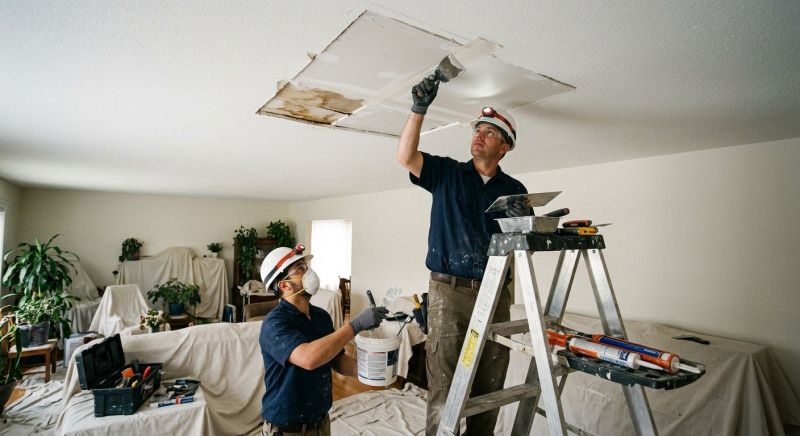
Restoration And Prevention
Proper repair and maintenance can restore ceilings and prevent future water-related problems in alpharetta, ga.
Ceiling Water Damage Repair in Alpharetta, GA

Ceiling water damage repair services address issues caused by leaks, plumbing failures, or roof problems that result in water intrusion into ceiling structures. These projects typically involve identifying the source of the water, removing damaged drywall or plaster, and restoring the ceiling to its original condition. Property owners often seek this service after noticing stains, sagging, or mold growth on their ceilings, aiming to prevent further damage and ensure the safety of their living or working spaces.
Before requesting ceiling water damage repair, homeowners should consider the extent of the damage and whether there are ongoing leaks or moisture issues that need resolution. It’s important to understand what materials may need replacement and if any structural concerns exist. Proper assessment helps determine the scope of work required to restore the ceiling effectively and prevent future problems related to water intrusion.
Many property owners in Alpharetta, GA look into Ceiling Water Damage Repair for repairs, replacements, upgrades, and appearance-related improvements.
Common Ceiling Water Damage Repair Jobs
Ceiling Water Damage Repair - Restores ceilings affected by leaks or flooding to prevent further deterioration.
Water Stain Removal - Eliminates unsightly stains caused by water infiltration for a clean appearance.
Ceiling Drying and Dehumidification - Dries out moist ceilings to prevent mold growth and structural issues.
Structural Damage Assessment - Evaluates the extent of damage to ensure proper repair and safety.
Mold Remediation - Removes mold caused by water damage to improve indoor air quality.
Ceiling Replacement - Replaces severely damaged ceilings to restore the look and integrity of the space.
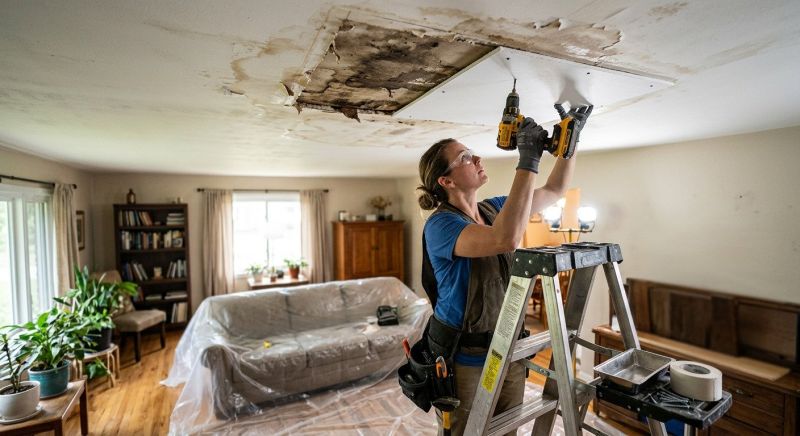
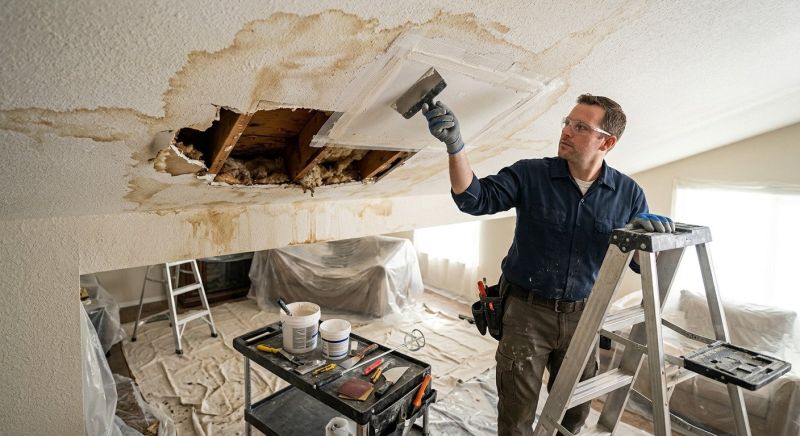
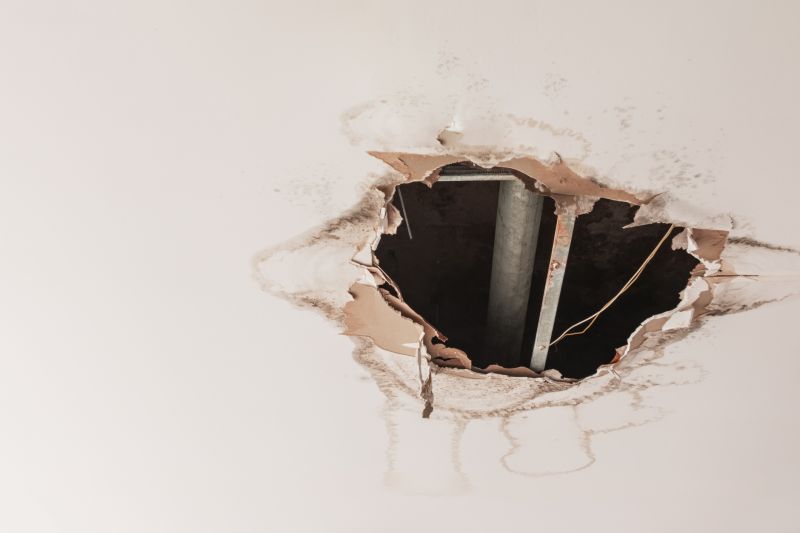
Ceiling Water Damage Repair Questions
What causes ceiling water damage? Water damage to ceilings often results from roof leaks, plumbing issues, or HVAC condensation problems.
How can I tell if my ceiling has water damage? Signs include discoloration, sagging, peeling paint, or visible stains on the ceiling surface.
Is water damage repair the same as ceiling restoration? Repair typically involves fixing leaks and replacing damaged materials, while restoration restores the ceiling’s appearance and integrity.
What should property owners do before repair services? It’s important to address the source of water intrusion to prevent future damage and ensure proper repairs.
Request Ceiling Water Damage Repair in Alpharetta, GA
Use the quote form on this page to share the basics of your project and request more information for the type of work you need.